
A page with a beautiful drawing and no notes is a small mystery you have made for your future self. You will recognise the shape of the leaf and have no idea where you found it. You won't know whether the tree stood on a slope or in wet ground, whether it was April or October, whether the bird was singing or silent. The drawing records form. It does not record the encounter.
The habit that fixes this takes about five minutes: write before you draw. Not an essay — a handful of notes, numbers and shorthand marks that pin the subject to a time, a place and a set of conditions. Do it consistently and your pages stop being pictures and start being records you can read years later.
Fill in the top corner of the page before anything else. This is the information that expires. In twenty minutes you will have forgotten the temperature, and by the time you get home the direction of the light will be a guess.
Write the date and the time you started, then the place in two forms: the name of it, and a description someone else could follow. "The beech wood" is not enough. "Beech wood east of the ford, on the slope above the stream" will get you back there. Add the weather, the wind, any recent weather that matters — three dry weeks, or rain overnight — and where the sun sits in relation to your subject, because that is what your shadows will show.
Sat 12 Oct, 7.40–8.20 am. East side of the ridge above the stream crossing, on the slope with the old beech. 9°C, still, high thin cloud, sun not over the ridge yet. Ground wet from overnight rain; mast thick underfoot.
Notice how much that block already tells you. A journal full of such headers builds into something better than a pile of sketches: a record of one place across a season, where you can watch the leaves come out and the ground dry up. It also saves you from the commonest regret in a nature journal — a lovely drawing of something you can no longer name.
A drawing can describe form and colour. It says nothing about the smell of the crushed leaf, the noise the whole hillside was making, or the wasp that kept landing on your sleeve. Write those things down in a few words, plainly and without reaching for atmosphere.
Useful categories are sound, smell, touch, movement and air. A short line under each is enough: "wind from the west, warm, smell of resin and hot dust"; "leaf rough as sandpaper underneath, smooth on top"; "the flock moved through in about forty seconds, calling constantly".
Prefer the specific to the moody. "Peaceful" will mean nothing to you in five years. "No traffic noise, one wren singing, water audible below the path" will bring the morning back.
Most pages go wrong in the first minute, when the drawing starts too large and runs off the edge, or too small and leaves no room for notes. Before the outline, put down a few quick measurements — not careful numbers, just relationships.
Hold your pencil at arm's length and mark the height of the subject against it, then compare that height to its width. Note the angle of the main stem or branch from vertical, using the edge of the page as a reference. Find one ratio you can check the finished drawing against: the leaf is about three times as long as wide; the flower head is roughly the width of two of my fingers; the bird's tail is half the length of its body.
Then draw the envelope — the simplest box, triangle or oval the subject fits inside — and keep the measurements in the margin beside it. Those three or four marks will tell you, later, where the proportions actually came from. They also give you a frame to work inside, which is often the difference between a drawing that fills the page well and one that trails off the corner.
Identification notes are what turn a sketch into evidence. You do not need to name anything on the spot; you need the features that would let someone else name it, or let you do it later with a guide in your lap. Pick the marks that separate your subject from its close relatives.
Add a note on scale that the drawing itself cannot carry — the tree's height against a nearby fence post, the fungus against your thumbnail. If a feature is too small to draw honestly, write it in words instead of faking it.
A subject is never alone. Note what it was doing and what stood around it: the plant growing at the base of the tree, the moss on the shaded side, the insects working the flowers, the slope, the soil, the water. Two patches of the same species can look different for reasons that have nothing to do with the plant, and the notes are where those reasons get recorded.
This context is also what lets you compare pages honestly later. A page that says "sawtooth leaves, damp ground, north-facing
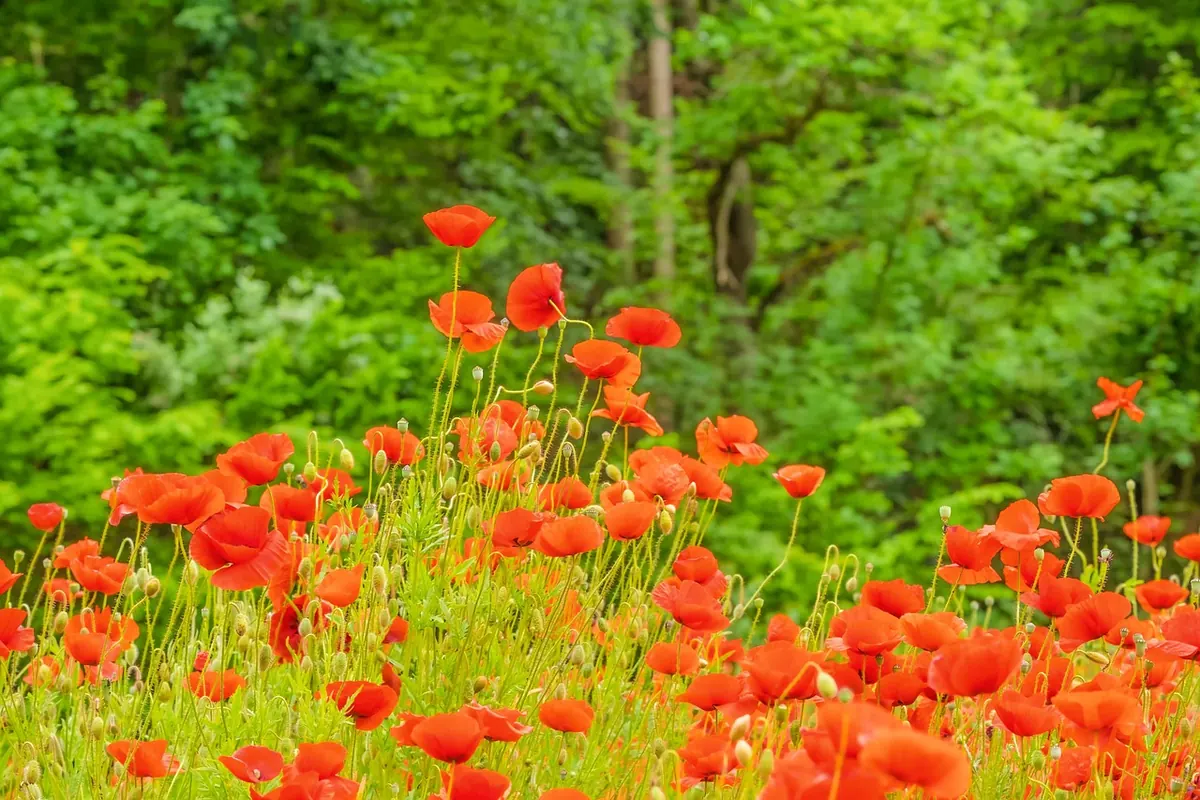
Photo: ROMAN ODINTSOV / Pexels
A practical guide to sketching Mediterranean woodland edges in late summer, from reading the layered structure of...
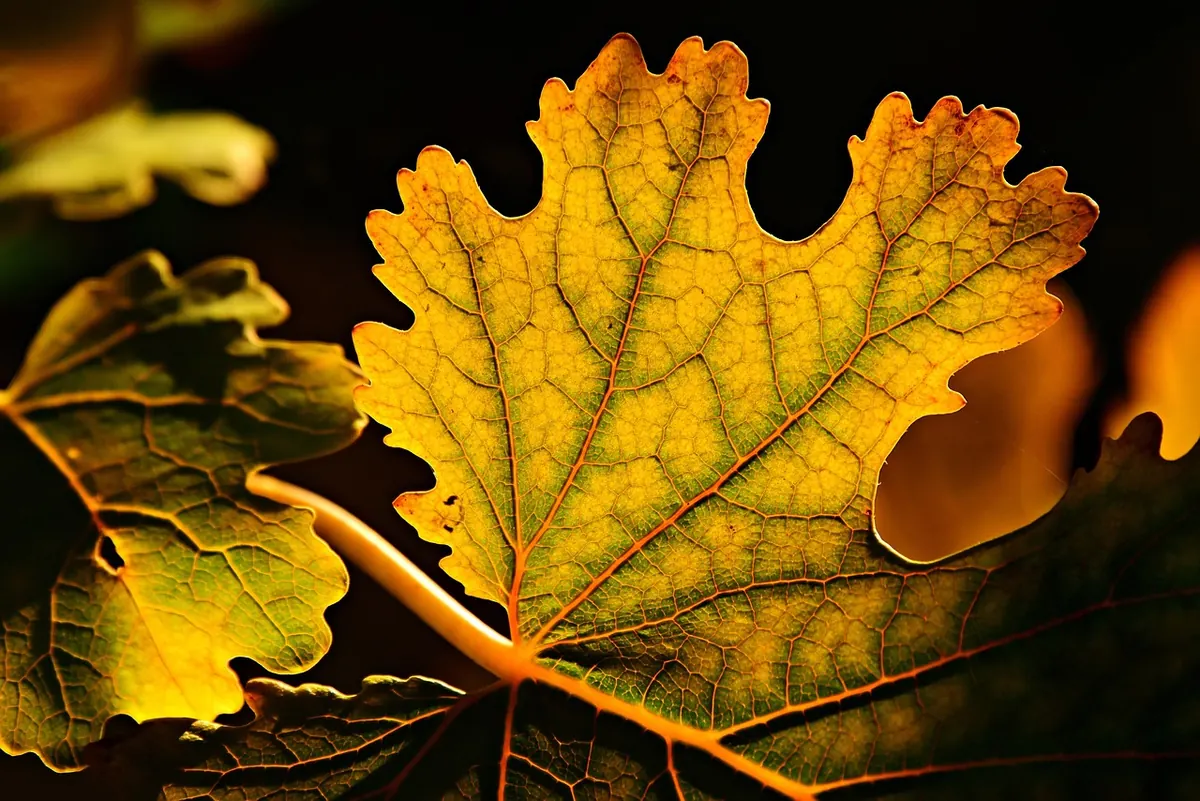
A practical guide to reading a leaf’s shape, margin, veins and attachment before you draw, with a clear step-by-step...
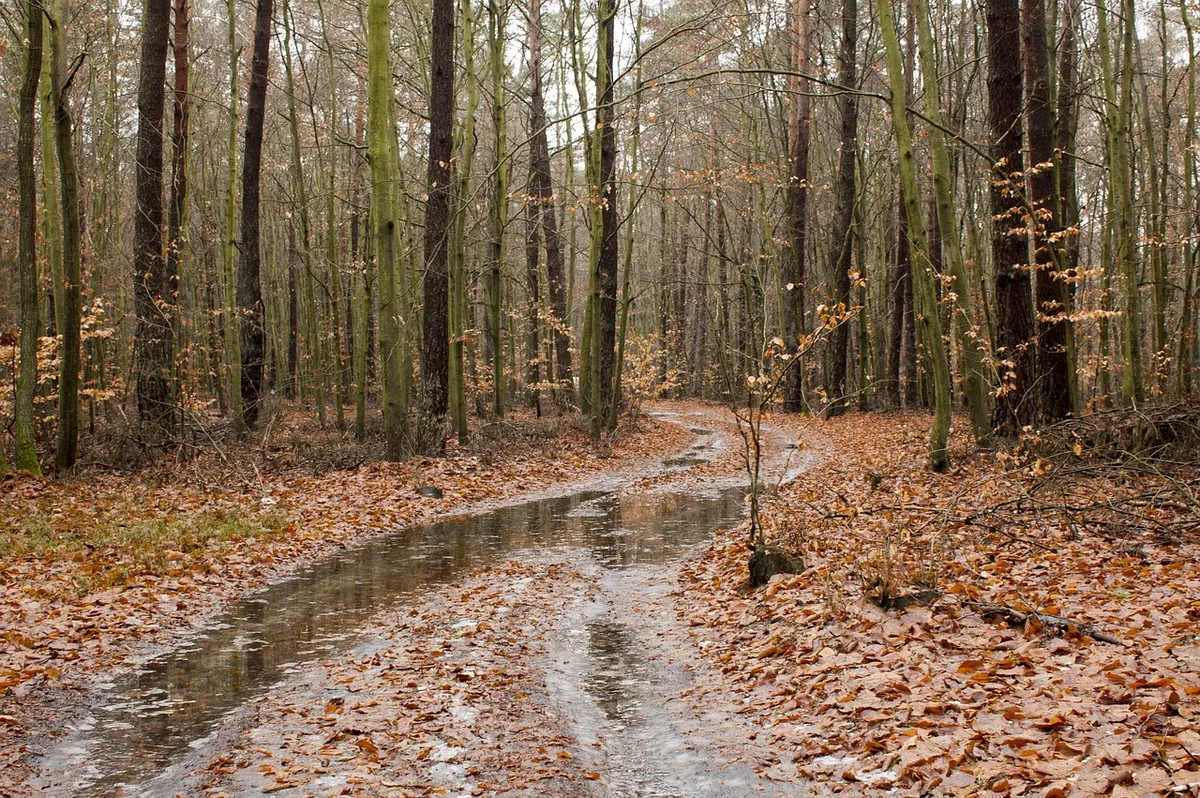
Twenty specific sketching prompts for the woods the day after rain — wet bark, beaded droplets, puddle mirrors,...

Sketches and inspiration from the forest.