Woodland sketching is not studio drawing moved outdoors. It is quick, a bit cold-fingered, interrupted by a dog or a woodpecker, and often finished standing up with the sketchbook braced against a birch. The kit for that kind of drawing has to survive a drop in the leaf litter, fit into a small shoulder bag, and be ready in under a minute, because the light coming through beech leaves will not wait while you unroll a full set of anything.
So the aim here is not a complete artist's inventory. It is a kit light enough that you forget you are carrying it, and complete enough that a good subject never catches you without a way to record it. Twelve items will do it. Below is what each one is for, how to choose it, and which small backups are worth the extra grams.
Start with a hardback sketchbook, A5 or A6, with an elastic closure. Hard covers mean you can draw standing with the book on your forearm, and the elastic stops pages from flapping in the breeze. Look for paper around 150–200gsm if you want to add a little water or ink without the sheet cockling; smoother stock suits pencil and fineliner better than a heavy rough grain, which eats fine lines. Landscape format is often more useful in woods, where the subjects tend to be wide rather than tall.
A lightweight drawing board is the second item, and the one people skip. A piece of 3mm hardboard or corrugated plastic cut to just larger than your book gives you a rigid surface anywhere: on a knee, against a gatepost, on a stump. Clip the book to the board with two bulldog clips, one at the top edge and one at the side. Wind is the quiet enemy of outdoor drawing, and a single clip is never enough.
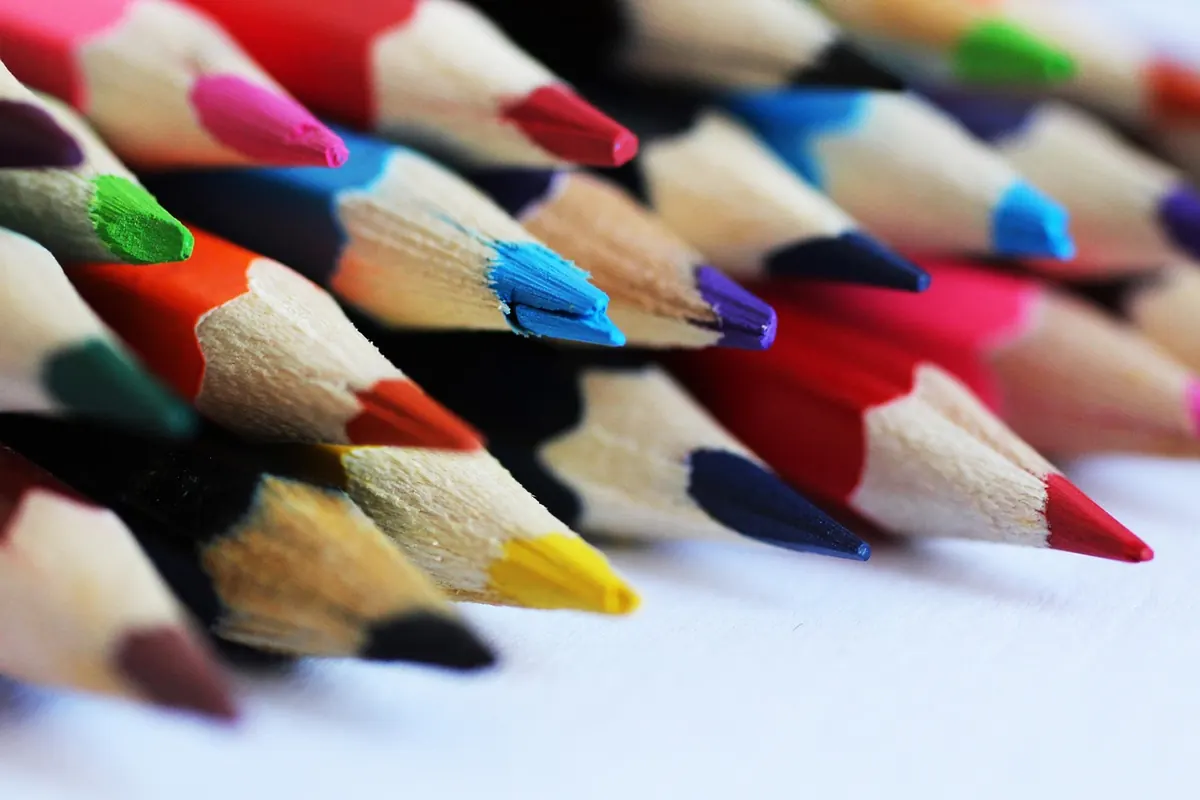
Two pencils and one pen will cover almost everything a woodland walk offers. Take a 2B for general drawing and a 4B for trunks, shadow and quick tonal blocks. A 6B is lovely for dark masses but smudges against a warm thigh in a pocket, so if you carry one, keep it in the tin rather than loose. Skip the full graded set; you will use three of them and resent the other nine.
For the pen, choose a waterproof pigment fineliner rather than a fountain pen. Fountain ink can run the moment a light drizzle lands on the page, and nothing spoils a sketch faster than watching your best line dissolve into a grey halo. Test any new pen on a scrap before you trust it outdoors: write a line, wet your finger, rub it.
Colour, if you want it, should stay small. Two or three coloured pencils — an ochre, an olive green, a warm grey — let you note the difference between a beech trunk and a hornbeam without turning a ten-minute sketch into a painting session. Watercolour pencils and a water brush are tempting, but they need water, they freeze in winter, and they slow you down. A single water-soluble pencil used dry, then touched with a damp fingertip, is often enough.
These are the items that decide whether a session feels easy or irritating:
Cold ground pulls heat out of you fast, and a cold sketcher draws badly and stops early. A folded square of closed-cell foam, a piece of an old sleeping mat, or even a folded plastic bag inside your jacket is enough to sit on for twenty minutes without regretting it. Add fingerless gloves with a fold-back mitten flap for the shoulder seasons, and a bottle of water you will genuinely drink.
In summer, take insect repellent and check yourself for ticks afterwards, particularly around the ankles, waistband and hairline; a quick check at the end of the walk is a sensible habit. Woods go dark much earlier than open ground, so note the sunset time before you set off, and tell someone which car park you are using and roughly when you expect to be back. None of this is dramatic — it just means you can relax and draw.
Backups should be small, duplicate, and boring. A spare pencil stub, a second fineliner, and one folded sheet of your usual paper cost almost nothing and cover the three failures that actually happen: a snapped point you cannot sharpen, a pen that dies, and a page ruined by rain or a muddy thumb. Add a thin plastic zip bag that the whole kit fits into when the weather turns.
Two more worth considering for shorter days: a small headtorch, so you are not packing up in near-dark, and a phone photo of your subject taken before you start. The photo is not cheating; it lets you finish the tones at home rather than rushing the last ten minutes on site.
Keep everything in one small tin or zip pouch, and keep that pouch in the same pocket of the same bag every time. Rummaging is what turns a two-minute sketch into a fifteen-minute search. If the pouch does not fit into a jacket pocket, it is too big — trim it rather than commit to a heavier bag you will leave at home.
Pack the night before and spend five minutes drawing one small object at the kitchen table with the exact kit you plan to carry. It sounds fussy. It is the fastest way to discover a dry pen, a blunt pencil, or a sketchbook with three pages left, while you can still do something about it.
Everything above, condensed. Tick it off before you leave:
Seasonal additions: fingerless gloves and a headtorch in winter, repellent and a tick check in summer. Weigh the pouch in your hand once. If it feels heavier than a paperback, take something out — the best woodland kit is the one you stop noticing.
Photo: Margaret8 / Pixabay
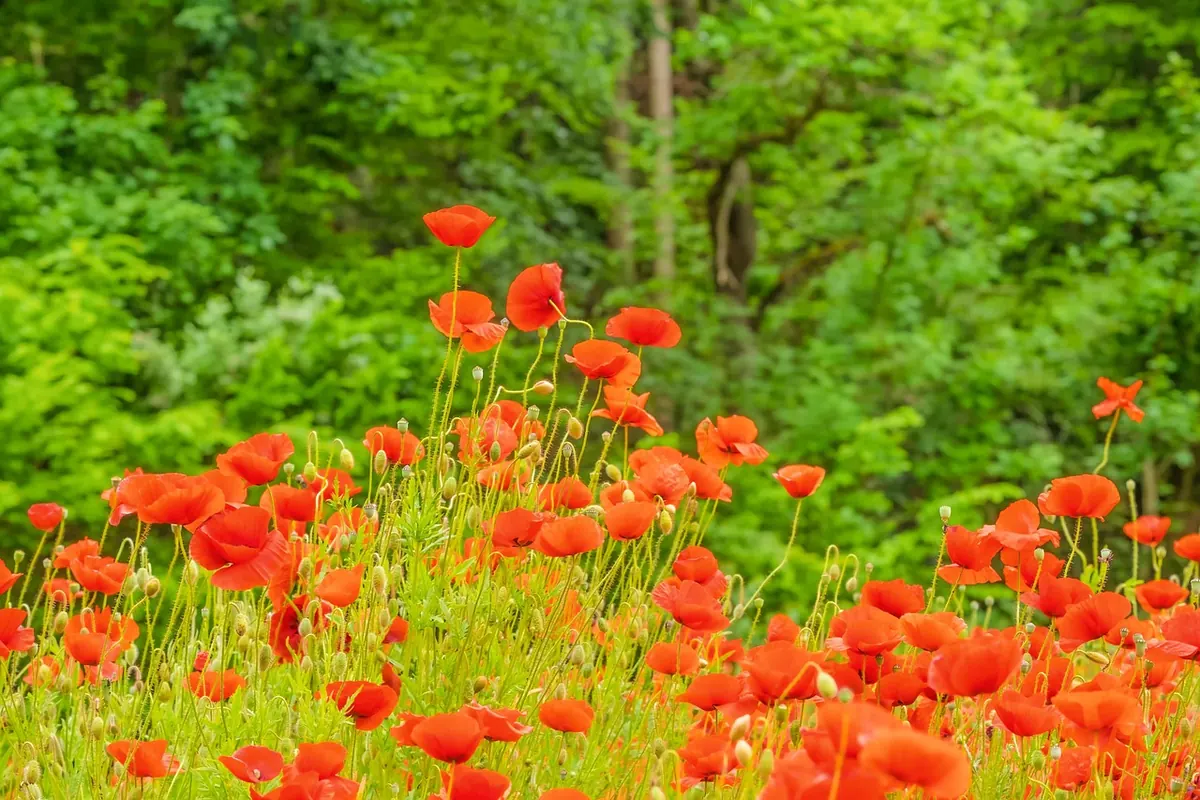
A practical guide to sketching Mediterranean woodland edges in late summer, from reading the layered structure of...
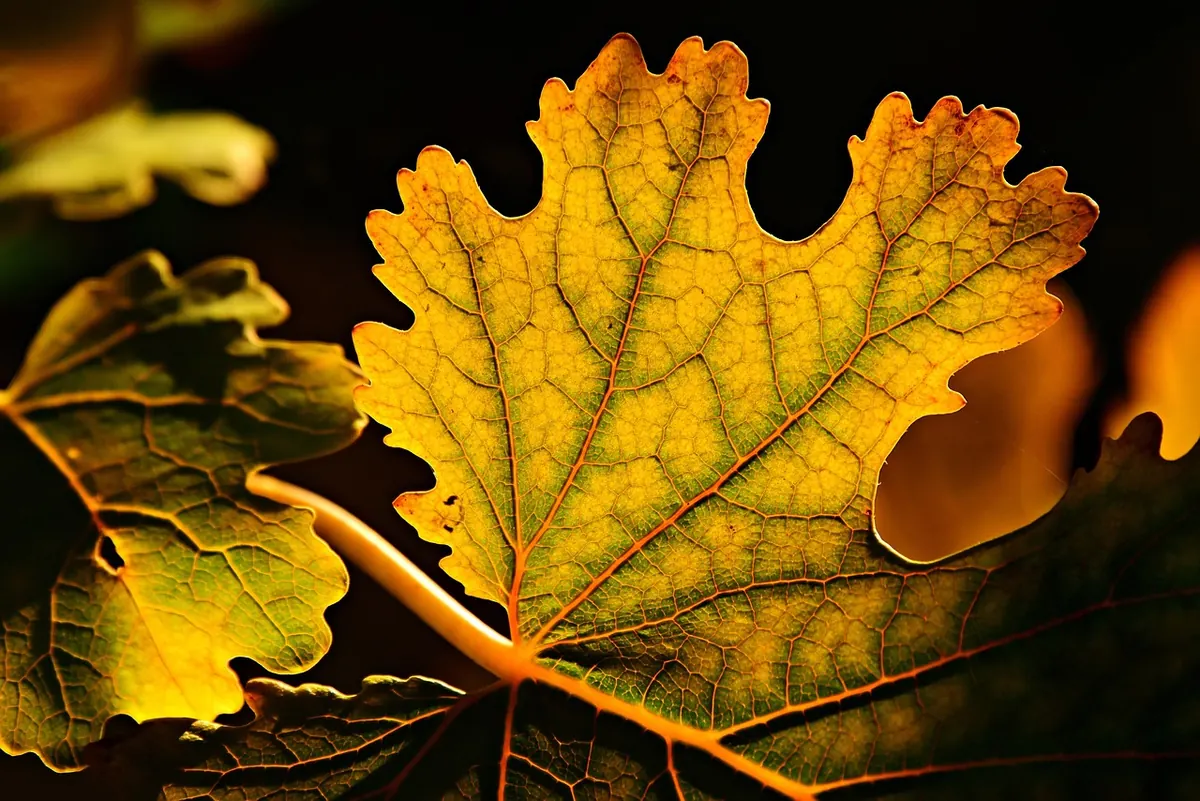
A practical guide to reading a leaf’s shape, margin, veins and attachment before you draw, with a clear step-by-step...
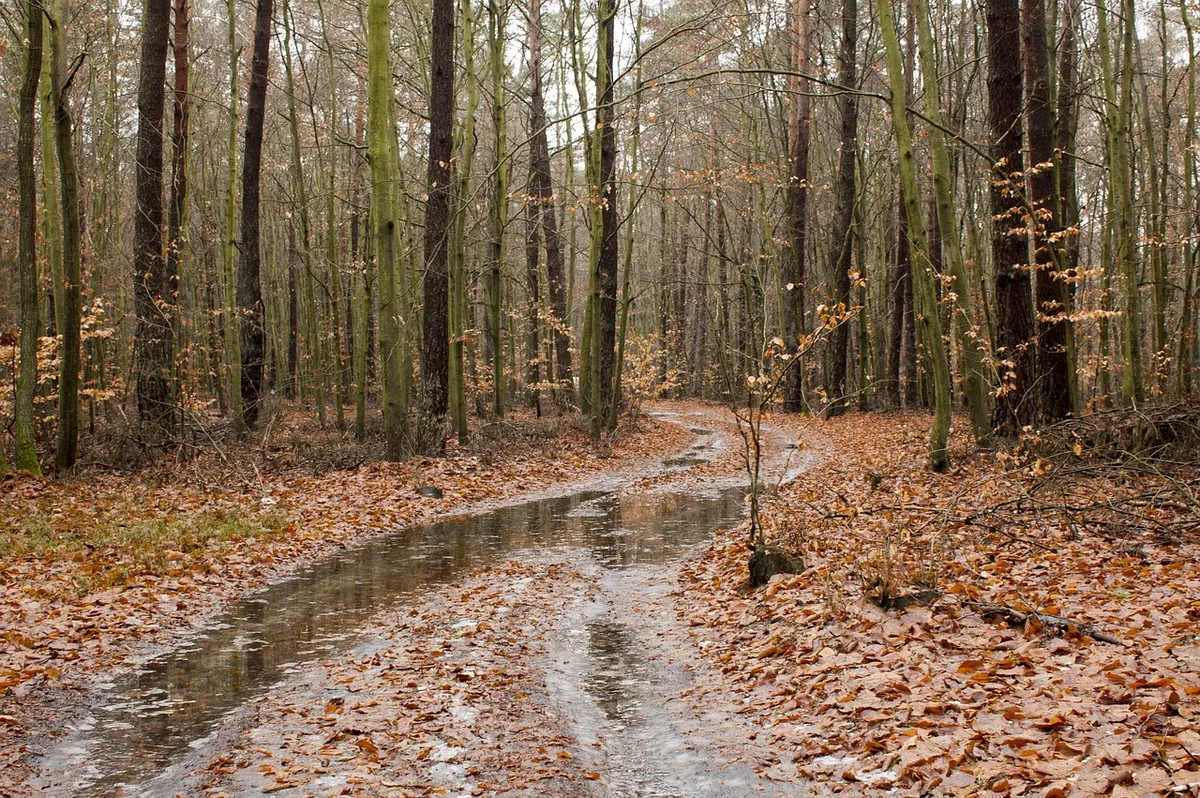
Twenty specific sketching prompts for the woods the day after rain — wet bark, beaded droplets, puddle mirrors,...

Sketches and inspiration from the forest.